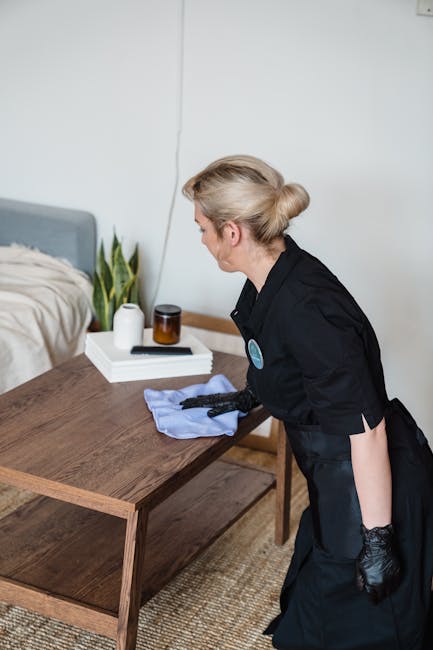
Affordable regular domestic cleaning prices in Crystal Palace

If you're trying to make sense of affordable regular domestic cleaning prices in Crystal Palace, you're probably after two things at once: a fair price and a service that actually keeps the place feeling lived-in, not half-done. That balance matters. Regular cleaning should take the pressure off your week, not become another thing to chase, query, or tidy around. In this guide, we'll break down how local domestic cleaning pricing usually works, what changes the cost, how to compare options sensibly, and how to avoid paying for more than you need.
Crystal Palace homes are varied too, which is part of the story. Flats near the station, terraces, family houses, shared homes - they all need different cleaning routines. So let's keep this practical. No fluff, no mystery, just a clear look at what affordable really means when you want a dependable regular clean.
Why Affordable regular domestic cleaning prices in Crystal Palace Matters
Affordable cleaning prices matter because regular cleaning is not a luxury purchase for many households; it's a time-management decision. If you work long hours, commute, care for children, host visitors, or just don't want the week to disappear under laundry, dust and bathroom limescale, a recurring clean can be the difference between staying on top of things and constantly catching up.
In Crystal Palace, that pressure is familiar. The area has a mix of busy professionals, young families, landlords, renters and people in shared homes, all with different routines and budgets. A sensible price has to fit the household, not the other way round. And truth be told, the cheapest quote is not always the best value if it leaves surfaces missed, timesheets vague, or extras appearing later like a surprise at the till.
There's also a trust element. When someone is cleaning inside your home on a regular basis, you want clarity: what's included, how often they come, whether they bring their own products, and what happens if you need to reschedule. That transparency is part of affordability too. If the process is smooth, you save time and avoid stress. That is worth something.
Expert summary: The best affordable domestic cleaning price is usually the one that matches your home size, cleaning frequency, and priorities without hiding costs or overcharging for tasks you do not need.
If you want to compare plans, scopes and quote details carefully, the service information on pricing and quotes is a useful place to begin. It helps you think about value before you commit, which is half the battle.
How Affordable regular domestic cleaning prices in Crystal Palace Works
Regular domestic cleaning is usually priced according to a handful of straightforward factors. Most providers will look at the size of the property, how often you want visits, what type of cleaning you need, and whether there are any add-ons. That might sound obvious, but the details can move the price more than people expect.
A small one-bedroom flat cleaned weekly is often a very different job from a four-bedroom house cleaned fortnightly. The first may take less time per visit, but the second may build up more dust, laundry, clutter and bathroom work between appointments. Frequency affects effort. Effort affects price. Simple enough, really.
Some cleans are based on hours, others on rooms, and some are set as a custom package. Hourly pricing can work well if your home needs flexible support or if you want the cleaner to focus on whichever areas matter most that week. Fixed-package pricing can feel easier to budget for, especially if the scope is clearly defined. Both can be affordable, depending on how honest the quote is.
You may also notice that regular cleaning is usually cheaper per visit than a one-off or deep clean, because the home is maintained on an ongoing basis. Dirt does not have time to build up as much, so the work is more predictable. If you are thinking ahead, a regular arrangement often sits neatly alongside one-off cleaning for the occasional reset, or a deep cleaning visit when things need a more detailed start.
In practical terms, a cleaning quote often considers:
- number of bedrooms, bathrooms and shared spaces
- frequency of visits: weekly, fortnightly or monthly
- surface condition and how much upkeep is required
- tasks requested, such as kitchens, skirting boards or inside appliances
- access, parking, key holding and time restrictions
- special materials or fragile items that need extra care
The cleaner's time is the core unit here. The more efficient the routine, the more affordable the result tends to be. And if you already keep the home in decent shape between visits, that usually helps too. No surprise there.
Key Benefits and Practical Advantages
The clearest benefit is consistency. A regular clean prevents the slow creep of mess that makes a home feel harder to manage than it really is. Dust doesn't become a layer, the bathroom doesn't become a project, and the kitchen stays far less intimidating on a Sunday evening. That calm adds up.
There's a budget angle as well. People sometimes assume affordability means choosing the lowest number, but regular domestic cleaning can save money in a more subtle way. If you keep carpets, upholstery and hard surfaces in better shape, you often delay more expensive restorative work. It is not magic, just maintenance. Boring, yes. Useful, absolutely.
Another advantage is mental headspace. Coming home to a tidy, fresh-smelling property can be a genuine relief, especially after a long commute or a hectic school run. You hear the kettle, see clear worktops, and the whole evening feels easier. Small thing, maybe. But not small when life is busy.
Regular cleaning also helps households divide responsibilities more fairly. In shared homes, for instance, a booked cleaning routine can remove a lot of friction. Nobody has to be the "nag" about the bathroom again. Lovely.
Other practical benefits include:
- better hygiene in kitchens and bathrooms
- less dust build-up for allergy-sensitive households
- more predictable upkeep between guests or family visits
- reduced last-minute panic before weekends or events
- a more professional standard of cleanliness in homes with remote work areas
If you ever need to extend cleaning support beyond the usual routine, it helps to have a provider that can also cover specialist tasks such as oven cleaning or window cleaning when the situation calls for it. That flexibility makes regular service feel far more useful in real life.
Who This Is For and When It Makes Sense
Regular domestic cleaning makes sense for a wide range of households, but not everyone needs the same schedule. That's the important bit. A weekly clean might be ideal for a busy family kitchen and two bathrooms, while a monthly arrangement could be enough for a smaller flat where the occupants already keep on top of basics.
This service is especially useful if you:
- work long hours and want your evenings back
- have children and find the house never quite stays tidy for long
- share a property and want a clearer standard for everyone
- have mobility limitations or simply prefer to save your energy
- run a home office and need the space to feel orderly
- are juggling moving, guests, or renovation stress
It also suits people who don't need a full deep clean every time. Regular cleaning is more about maintenance than restoration. That distinction matters. If you've just moved in, moved out, or finished a building project, a different service may make more sense at the start. In those cases, move in cleaning, move out cleaning or after builders cleaning may be the better fit before you settle into a routine.
To be fair, many people wait too long. They think they only need help once the place is "really bad." But regular cleaning is often most affordable when it starts before grime becomes a problem. That's the smart version, not the dramatic rescue version.
Step-by-Step Guidance
If you want good value from regular domestic cleaning, the best approach is structured and fairly simple. A bit of planning upfront usually saves money later, and it makes the cleaner's job clearer too.
- List the spaces that matter most. Start with the areas that affect daily life: kitchen, bathrooms, hallway, living room, main bedroom. If a spare room hardly gets used, say so.
- Decide your frequency. Weekly is best for busy homes and high-traffic spaces. Fortnightly works for many households. Monthly is lighter touch and may suit smaller, tidier properties.
- Separate essentials from extras. Vacuuming, dusting, wiping surfaces and bathroom cleaning may be standard. Inside appliances, ironing, or detailed organising may cost more. Don't assume-ask.
- Be honest about the current condition. If the home has built-up grime, sticky marks or neglected corners, say it early. That avoids unrealistic expectations.
- Ask what products and equipment are included. Some cleaners bring their own supplies; others may need access to your vacuum or mop. This affects price and convenience.
- Request a quote with the scope written clearly. Clear expectations beat vague promises every time. No one enjoys the "I thought that was included" conversation.
- Review after the first visit. A good regular arrangement often improves after the first session because both sides understand the routine better.
If you are comparing ongoing home help, it can be useful to see how house cleaning and domestic cleaning are described by the provider. The wording often tells you a lot about the level of service and whether it is designed for routine upkeep or something broader.
One small but helpful tip: keep a short running list of jobs that matter to you. Maybe it's the taps that water-spot easily, the skirting behind the sofa, or the bin area that always gets a bit whiffy by Thursday. Mentioning those specific details is often the difference between a decent clean and a genuinely helpful one.
Expert Tips for Better Results
Here's where affordable and effective start to overlap. The more organised your cleaning routine, the more value you tend to get. That doesn't mean micromanaging every wipe. It means setting the service up well from the start.
Tip 1: Keep clutter under control before the cleaner arrives. Cleaners clean; they are not a substitute for storage systems. If surfaces are buried under paperwork, chargers and school bits, more time gets spent moving items than actually cleaning. A ten-minute tidy can make the visit far more efficient.
Tip 2: Prioritise high-touch areas. In most homes, kitchen counters, sinks, taps, handles and bathroom fixtures give the best return on effort. If the budget is tight, put those first. That's where people see and feel the difference most.
Tip 3: Choose a frequency that matches real life, not ideal life. Weekly sounds impressive. Monthly sounds cheaper. The right answer depends on how the household actually lives. A busy family home with pets and muddy shoes will have a different rhythm from a quiet flat occupied by one person.
Tip 4: Be careful with "cheap" add-ons. Some extras are worth it, like occasional oven cleaning or a periodic carpet refresh. Others are easy to overbuy. If a service list starts to look like a restaurant menu, pause for a second.
Tip 5: Ask about insurance and safety. This matters more than people realise. Anyone working in your home should have a clear approach to safety, equipment handling and responsibility. You can review the company's insurance and safety information and health and safety policy to see how seriously that side is taken.
And yes, little things matter. A cleaner who knows where you keep spare cloths, how you prefer the bathroom arranged, or which shelf always collects dust can work more smoothly. It's the sort of thing that makes the arrangement feel properly personal, not transactional.
Common Mistakes to Avoid
The most common mistake is comparing prices without comparing scope. A quote that looks lower can be less affordable if it excludes the very tasks you actually need. That happens a lot. People see the number first, then discover later that the bathroom descale, bed making or internal window wipe is extra.
Another mistake is chasing the cheapest possible hourly rate without asking how long the clean is expected to take. If a cleaner is underpricing the job, the service can become rushed or inconsistent. Nobody wants a bargain that quietly turns into disappointment.
Other mistakes include:
- not saying which rooms are priority areas
- expecting deep-clean standards from routine cleaning visits
- forgetting to ask whether supplies are included
- leaving clutter so the cleaner cannot reach surfaces
- changing the brief every week without warning
- ignoring the contract terms around cancellations or access
There's also a softer mistake: assuming regular cleaning should make the house perfect at all times. It won't. A well-run home still has everyday life in it. That's fine. The goal is manageable cleanliness, not showroom energy. Let's be realistic here.
If you need help comparing service terms, it is worth reading the provider's terms and conditions and payment and security information. Clear policies may not be exciting reading, but they protect both sides and stop awkward surprises.
Tools, Resources and Recommendations
You do not need a box full of fancy products to get good results from a regular cleaning arrangement. In fact, too many products can slow things down. A sensible setup tends to work best.
Useful basics usually include:
- a reliable vacuum cleaner
- microfibre cloths
- a mop and bucket or spray mop
- bathroom-safe and kitchen-safe cleaning products
- a limescale remover where needed
- bin liners and a simple storage system for clutter
If your home has specialist items, think ahead. Upholstered chairs, rugs, mattresses and delicate fabrics may need separate attention now and then. Those jobs can sit alongside routine domestic cleaning through services such as upholstery cleaning, sofa cleaning, rug cleaning or mattress cleaning when required.
A simple recommendation from experience: keep one short written brief for the cleaner. Something like "focus on kitchen, bathrooms, floors and dusting; ignore spare room unless asked; use non-scented products if possible." It removes guesswork. Small thing, big difference.
If you want a service team that thinks carefully about sustainability and responsible practice, you can also review the company's recycling and sustainability information. That can be useful if you prefer products and methods that feel a bit more considered.
Law, Compliance, Standards and Best Practice
For domestic cleaning, the key trust factors are less about dramatic regulation and more about everyday professional practice. In the UK, customers should expect clear communication, safe working methods, honest pricing, and appropriate handling of property and personal access. That's the baseline. Anything less is not good enough.
Best practice usually means a cleaner or cleaning company should be transparent about:
- what the service includes and excludes
- how payment is taken and protected
- how cancellations, changes and complaints are handled
- how they manage access to your home
- what happens if damage or an incident occurs
That is why policy pages matter more than they first appear to. They tell you whether the provider has thought through real-world issues. If a business has clear guidance on complaints procedure, accessibility, privacy and security, that usually signals a more organised operation. You may never need those pages. But if something does go wrong, you'll be glad they exist.
It's also sensible to prefer providers that show evidence of professional responsibility. That can include being clear about worker safety, insurance, modern slavery awareness, and respectful customer handling. Not flashy stuff. Just decent business practice, which is honestly what most people want.
Options, Methods, and Pricing Comparison
The best way to judge affordability is to compare not just the headline price, but the structure behind it. Here's a simple comparison of common regular cleaning approaches.
| Option | How it usually works | Best for | Cost feel |
|---|---|---|---|
| Hourly cleaning | You pay for time spent in the home | Flexible jobs and changing priorities | Can be economical if the brief is clear |
| Fixed regular package | Set tasks for a set visit price | Households that want predictability | Often easiest to budget for |
| Weekly recurring clean | Smaller, more frequent visits | Busy homes and families | Usually better value per visit over time |
| Fortnightly clean | Every two weeks | Average households with moderate upkeep | Good balance of cost and maintenance |
| Monthly clean | Less frequent maintenance | Smaller or tidier homes | Lowest routine commitment, but more buildup between visits |
Which one is best? That depends on your home rhythm. If the house gets messy quickly, a cheaper monthly visit may actually cost more in the long run because more time is needed each session. On the other hand, a weekly clean can feel extravagant if the property stays fairly neat. Match the method to the mess, basically.
For readers who want a broader home-cleaning arrangement, it may also be helpful to compare regular cleaning with regular cleaning service details and the occasional carpet cleaning visit if flooring starts to look tired. Those services often work together rather than as separate worlds.
Case Study or Real-World Example
A typical Crystal Palace household might be a two-bedroom flat occupied by two working adults. Both commute some days, work from home on others, and don't want to spend Saturday morning catching up on housework. The flat is tidy enough, but the kitchen collects crumbs, the bathroom is showing water marks, and the dust seems to arrive as soon as the sun catches the skirting boards. You know the feeling.
Instead of booking a deep clean every time, they arrange a fortnightly regular clean with a clear scope: bathrooms, kitchen, floors, dusting and general touchpoint areas. They skip unnecessary extras and only add an oven clean once every few months. The result is a home that feels consistently manageable without overcommitting on cost.
What makes that arrangement affordable is not just the rate, but the discipline around it. The couple keep surfaces clear before the visit, note any priorities in advance, and review the first couple of cleans to make sure the routine is right. They're not buying perfection; they're buying breathing room.
That is often the real win. A good cleaning arrangement should quietly improve day-to-day life without needing lots of attention. If you only notice it when it's missing, it's probably doing the job well.
Practical Checklist
Use this checklist before booking or renewing a regular domestic cleaning arrangement in Crystal Palace:
- Have you listed the rooms and tasks you want cleaned each visit?
- Do you know whether the price is hourly, fixed or package-based?
- Have you asked what is included and what counts as extra?
- Do you know whether cleaning products and equipment are supplied?
- Have you checked the cancellation and rescheduling terms?
- Is access to the property straightforward and agreed in advance?
- Have you mentioned any fragile surfaces, pets or special instructions?
- Do you know how complaints are handled if something is missed?
- Have you reviewed payment, insurance and safety information?
- Does the frequency match the actual pace of your household?
If you can tick most of those boxes, you're in a strong position. If not, pause and ask a few more questions. It's far easier to clarify now than after the first visit.
Conclusion
Affordable regular domestic cleaning prices in Crystal Palace are not just about finding the lowest quote. They're about choosing a service that fits your home, your routine and your budget without hidden surprises. A good price should feel fair because it is clear, practical and matched to the work required. That's the sweet spot.
If you want the best value, focus on scope first, then frequency, then the details that make the service dependable: communication, safety, policies and flexibility. Get those right and regular cleaning becomes less of a cost and more of a very sensible household system. One that saves time, lowers stress and keeps the home feeling calmer, day after day.
Get a free quote today and see how much you can save.
And if you're still deciding, that's fine. A good cleaning plan should feel reassuring, not rushed. Take your time, ask the right questions, and choose the setup that genuinely makes life easier.
Frequently Asked Questions
How much do regular domestic cleaning prices in Crystal Palace usually cost?
Prices vary depending on property size, visit frequency, and the tasks included. A small, tidy home cleaned weekly will usually cost less per visit than a larger property cleaned less often. The best approach is to compare quotes based on the same scope, not just the headline number.
Is weekly or fortnightly cleaning more affordable?
Weekly cleaning can sometimes feel more affordable over time because each visit is shorter and less intensive. Fortnightly cleaning often offers a good balance for many households. The cheaper option depends on how quickly your home builds up dirt and clutter.
What is usually included in a regular domestic clean?
Typical tasks include dusting, vacuuming, mopping, bathroom cleaning, wiping surfaces and general kitchen tidying. Exact inclusions vary, so always check the service brief. Extras like inside ovens or detailed organisation are often separate.
Why is regular cleaning cheaper than a one-off clean?
Because the home is maintained more consistently, there is usually less built-up dirt to remove each time. That means the workload is more predictable and the visit can be completed more efficiently. One-off cleaning generally needs more time and effort.
Do cleaners bring their own products and equipment?
Some do, some don't. It depends on the provider and the agreement you make. It's sensible to confirm whether vacuum cleaners, mops, cloths and cleaning products are supplied, especially if you have preferences about scents or surfaces.
How can I keep the price of regular cleaning lower?
Keep clutter down, choose the right frequency, and focus the clean on the rooms that matter most. Clear instructions help too. If the cleaner spends less time moving items around, more time goes into actual cleaning.
Can I book regular cleaning and occasional deep cleaning together?
Yes, that's often a very sensible setup. Regular cleaning handles the maintenance, while deep cleaning tackles buildup or neglected areas from time to time. Many households use both rather than choosing only one.
What should I check before trusting a cleaning company in my home?
Look at the service scope, payment terms, safety approach, complaints process, and how access to your home is managed. Clear policies and transparent communication are strong signs of professionalism. You want confidence, not crossed fingers.
Is it better to choose hourly or fixed-price cleaning?
Hourly cleaning works well if your needs change from visit to visit. Fixed-price cleaning suits people who want predictable budgeting and a defined task list. Neither is automatically better; it depends on how stable your cleaning requirements are.
What if I only need help with certain rooms?
That's perfectly normal. Many households prioritise kitchens and bathrooms, then add living areas or bedrooms as needed. A focused brief can keep costs down while still making a noticeable difference to the home.
Do regular cleaning services in Crystal Palace work for shared houses?
Yes, they can work very well in shared homes because they reduce friction around chores and help keep common areas presentable. It's a good idea to agree the cleaning priorities in advance so everyone knows what is covered.
How do I know if a quote is genuinely affordable?
Ask what the quote includes, how often visits happen, and whether there are extra charges for specific tasks. A truly affordable quote should feel clear, fair and sustainable over time. If it's too vague, it's harder to judge value properly.
Can regular domestic cleaning help with allergies or dust issues?
Regular cleaning can help reduce everyday dust build-up and keep fabrics, floors and surfaces fresher. It is not a medical treatment, of course, but for many homes it makes the environment much easier to live in.
What should I do before the first cleaning visit?
Give clear instructions, remove obvious clutter, identify priority rooms and mention anything delicate or unusual. A short written note is often enough. The first visit tends to go smoother when expectations are plain from the start.