End of Tenancy Cleaning: A Practical and SEO-Friendly Approach to a Stress-Free Move
Understanding End of Tenancy Cleaning
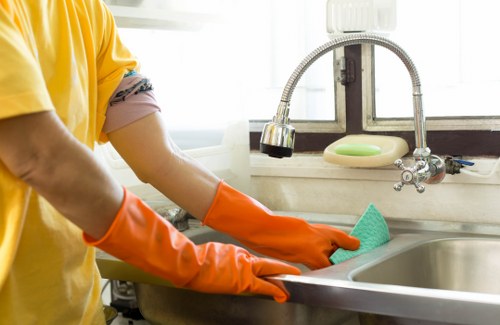
End of tenancy cleaning is one of the most important tasks tenants face when leaving a rental property. It goes far beyond a quick tidy-up or a standard weekly clean. The purpose is to restore the property to the condition expected by landlords, letting agents, and inventory clerks at the start of the tenancy, allowing for fair inspection and a smoother handover.
For many renters, the phrase end of tenancy cleaning can feel overwhelming. There are floors to scrub, kitchens to degrease, bathrooms to sanitize, and hidden areas that often get forgotten during routine cleaning. Yet this process does not need to be stressful when you understand what is expected and plan it properly.
In rental markets where deposits are closely inspected, a thorough end of tenancy clean can make a real difference. It helps reduce the risk of disputes, protects your deposit, and leaves the property in excellent condition for the next occupant. Whether you clean yourself or hire professionals, the goal remains the same: a spotless, presentable home.
Why End of Tenancy Cleaning Matters

The importance of end of tenancy cleaning is often underestimated until the final inspection takes place. Landlords and letting agents usually compare the property with the original inventory report, which means even small details can be noticed. Dust on skirting boards, grease on oven shelves, or limescale in the bathroom can quickly become sticking points.
A proper end of tenancy cleaning service helps ensure the property is returned in line with rental agreement expectations. It is not just about appearances; it is also about hygiene, presentation, and demonstrating that the tenancy ended responsibly. Clean properties are easier to re-let and often make a better impression on future tenants.
From a tenant’s perspective, this is also a practical step toward peace of mind. When you know the property has been cleaned properly, there is less anxiety about deductions and follow-up disputes. That is why many renters treat end of tenancy cleaning as a final investment in a smooth move-out process.
What Is Usually Included in End of Tenancy Cleaning?

A standard end of tenancy cleaning checklist is typically more detailed than everyday household cleaning. It focuses on all rooms, surfaces, fixtures, and appliances. While exact requirements may vary, most landlords expect the property to be left spotless, with no visible dirt, dust, or residue.
Typical tasks in tenancy cleaning include:
- Dusting and wiping all surfaces
- Cleaning inside and outside of kitchen cupboards
- Degreasing ovens, hobs, and extractor fans
- Descaling taps, sinks, and shower heads
- Vacuuming carpets and mopping floors
- Cleaning skirting boards, doors, handles, and switches
- Removing marks from walls where possible
- Cleaning windows, frames, and sills
- Emptying bins and removing all rubbish
In some properties, the expected service may also include upholstery care, carpet cleaning, or appliance deep cleaning. It is always wise to check your tenancy agreement and inventory notes before starting, as that will clarify what level of move out cleaning is required.
How to Prepare for End of Tenancy Cleaning
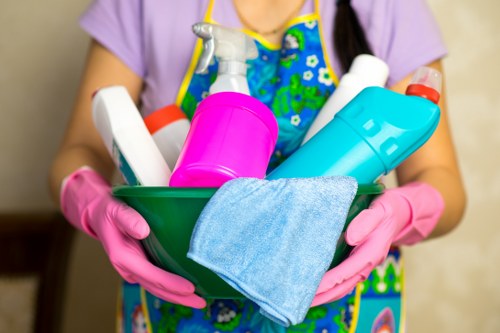
Preparation is key to effective end of tenancy cleaning. Before you start, remove all personal belongings and ensure the property is completely empty. Cleaning around furniture or packed boxes tends to miss important areas and can extend the job unnecessarily.
Begin by collecting the right products and equipment. Depending on the property, you may need microfiber cloths, a vacuum cleaner, mop, bucket, sponges, oven cleaner, glass spray, bathroom descaler, and gloves. Using the right tools makes rental property cleaning faster and more effective.
It also helps to create a room-by-room plan. Breaking the task into sections makes the work feel more manageable. Instead of thinking of the entire property at once, focus on one room, one surface, or one appliance at a time. This structured approach is especially useful when time is limited before your check-out date.
Kitchen Cleaning: The Most Demanding Area

The kitchen is often the most scrutinized room during an end of tenancy clean. It is where grease, food residue, and limescale accumulate most quickly, and it is also where hidden dirt is commonly found. Because of this, a kitchen usually requires the most time and effort.
Focus on the inside and outside of cupboards, drawers, worktops, splashbacks, sinks, taps, and appliances. The oven deserves special attention, as baked-on grease and carbon deposits are among the most common reasons for cleaning disputes. In many cases, a professional oven cleaning service is worth considering if the appliance is heavily soiled.
Do not forget smaller details such as light switches, socket plates, kickboards, and the tops of cabinets. These areas collect dust and grease more easily than many tenants realize. A truly effective end of tenancy cleaning service leaves the kitchen fresh, hygienic, and ready for immediate use.
Bathroom Cleaning for a Spotless Finish
Bathrooms can be challenging because they combine moisture, soap residue, limescale, and grime. In end of tenancy cleaning, bathrooms should be cleaned thoroughly from top to bottom. This includes the toilet, basin, bath, shower, tiles, mirrors, and all visible pipework.
One of the main bathroom priorities is limescale removal. Taps, shower screens, and tiles often need descaling products to restore shine and remove stubborn marks. Soap scum on glass and grout lines can make the room look tired, even if everything else is clean. That is why deep cleaning for tenants should never skip this room.
For better results, clean the bathroom in a logical order: ceiling and vents first, then tiles and mirrors, and finally the toilet and floor. This prevents dust and residue from falling onto freshly cleaned surfaces. A polished bathroom can significantly improve the overall impression of the property during the final inspection.
Bedrooms and Living Areas
Although bedrooms and living spaces may seem easier to clean than kitchens or bathrooms, they still matter greatly in end of tenancy cleaning. Dust builds up on shelves, behind radiators, under beds, and along skirting boards. Marks on walls and fingerprints on doors can also affect the final presentation.
Vacuum carpets thoroughly, including corners and edges. If the property has hard floors, mop them with the appropriate cleaning solution to remove dullness and dirt. Windows, blinds, and curtains should also be checked, since these features often collect dust that is easy to overlook during regular housekeeping.
Rooms should feel airy, tidy, and bright. Even small finishing touches such as wiping handles, cleaning mirrors, and removing cobwebs can make a noticeable difference. These areas may not be as demanding as the kitchen, but they are essential for a complete move-out cleaning result.
Carpet and Floor Care
Floor care is a major part of end of tenancy cleaning because floors often show the most visible signs of daily life. Whether the property has carpet, laminate, tile, vinyl, or hardwood, each surface needs the right treatment. A clean floor contributes strongly to the overall appearance of the home.
For carpets, vacuuming is the first step, but it is often not enough on its own. Stains, pet hair, and embedded dust may require steam cleaning or hot water extraction. In many tenancy agreements, carpet cleaning is recommended or even required if stains are present. This is where professional end of tenancy cleaning can be especially useful.
Hard floors should be swept or vacuumed first, then mopped using a suitable cleaner. Pay attention to corners, edges, and under appliances where debris tends to gather. A clean floor not only looks better but also helps demonstrate that the property has been cared for properly throughout the tenancy.
Common Mistakes Tenants Make
Many tenants try to handle end of tenancy cleaning quickly and end up missing important details. One common mistake is underestimating how long the job will take. A full property clean can take several hours or even a full day, especially if the home has not been cleaned deeply for a while.
Another frequent issue is using the wrong products. Harsh chemicals can damage delicate surfaces, while weak cleaners may fail to remove grease or limescale. It is better to test products first and use them according to the manufacturer’s instructions. Good rental cleaning is as much about technique as it is about effort.
Tenants also forget hidden areas such as behind appliances, inside cupboards, under sinks, or on top of wardrobes. These spots are easily checked during an inspection. A careful approach reduces surprises and increases the chance of a trouble-free move-out.
Should You Clean Yourself or Hire Professionals?
This is one of the biggest decisions tenants face. A DIY approach to end of tenancy cleaning can save money, especially if the property is small and in decent condition. If you have the time, energy, and right supplies, cleaning the property yourself may be a practical option.
However, hiring professionals can be the better choice when time is short or the property needs intensive attention. A trained team usually works faster, uses specialist products, and understands the standards expected in rental inspections. For many tenants, professional cleaning for move out offers reassurance and convenience.
The decision often comes down to budget, schedule, and confidence. If you are moving long distance, managing family responsibilities, or preparing for a strict inspection, a professional service may be worth the cost. When comparing options, look for companies that specialize in end of tenancy cleaning and understand tenant requirements.
Benefits of Professional End of Tenancy Cleaning
Choosing a professional end of tenancy cleaning service offers several advantages. First, it saves time during an already busy period. Moving house involves packing, paperwork, logistics, and emotional stress, so reducing the cleaning burden can be a major relief.
Second, professionals bring experience. They know which areas are commonly inspected and how to handle stubborn dirt, grease, and limescale efficiently. Many also work to detailed checklists that align with landlord expectations. This level of consistency can be difficult to achieve when cleaning alone.
Third, professional services often improve confidence at check-out. A thorough end of tenancy clean can help you feel prepared for the final walkthrough and reduce the chance of avoidable deposit deductions. For many renters, that peace of mind alone makes the service valuable.
How to Choose the Right Cleaning Service
If you decide to hire help, choosing the right team matters. Not every cleaning company offers the same level of quality or the same attention to end of tenancy cleaning standards. You want a service that understands rental inspections and covers the key areas that landlords review.
Look for services that provide a clear checklist, mention kitchen and bathroom deep cleaning, and include common extras such as ovens, skirting boards, and internal windows. Transparency is important. A reliable company should explain what is included so you know exactly what to expect from your move-out cleaning.
It is also useful to confirm whether the team brings their own supplies and equipment. In many cases, this is part of the service. The best providers make the process simple, efficient, and aligned with the standards required for rental handovers. Contact us today if you want a cleaner, easier move-out experience.
Timing Your End of Tenancy Cleaning
Timing plays a major role in successful end of tenancy cleaning. Cleaning too early can mean dust builds up again before the inspection, while leaving it too late creates unnecessary stress on moving day. Ideally, the cleaning should happen after all belongings have been removed and before the final inventory check.
For larger properties, it may help to clean room by room as you pack. This reduces the amount of work needed on the final day. If you are booking a professional tenancy cleaning service, schedule it after the property is empty so that every accessible area can be reached.
Remember that timing also affects drying and ventilation. Floors, bathrooms, and kitchens may need time to air out after cleaning, especially if strong products are used. Planning ahead helps the property look and smell fresh when the landlord or agent arrives.
Checklist for a Successful Final Clean
A clear checklist makes end of tenancy cleaning far easier to manage. Instead of guessing what to do next, you can move through the property systematically and ensure nothing is missed. This is especially helpful when the move is hectic and time is limited.
Here is a practical checklist to follow:
- Remove all rubbish and personal items
- Clean all rooms from top to bottom
- Dust every reachable surface
- Clean inside cupboards and drawers
- Deep clean the oven, hob, and extractor fan
- Descale bathroom fittings and tiles
- Vacuum and mop all floors
- Wash windows, mirrors, and glass surfaces
- Wipe doors, switches, handles, and skirting boards
- Check hidden and hard-to-reach areas
This checklist supports a cleaner finish and helps make your rental property cleaning more efficient. If needed, print it out and tick each item as you go to stay organized.
How End of Tenancy Cleaning Supports Deposit Recovery
One of the most important reasons tenants invest in end of tenancy cleaning is deposit recovery. At the end of a tenancy, landlords may deduct money for damage, missing items, or inadequate cleanliness. While fair wear and tear is normal, avoidable dirt is a different matter.
A well-cleaned property demonstrates responsibility and care. It can reduce the likelihood of cleaning-related deductions, especially when supported by the inventory report and any photographic evidence you have taken. In many cases, strong move out cleaning standards can help prevent avoidable disagreement.
Although no cleaning job can guarantee a deposit in full, presenting the property in excellent condition gives you a far stronger position. For tenants, that is often the real value of a careful final clean: fewer complications, less stress, and a cleaner exit from the tenancy.
Eco-Friendly Cleaning Options
Many people now prefer environmentally conscious solutions for end of tenancy cleaning. Eco-friendly products can reduce harsh chemical exposure while still delivering excellent results on everyday dirt, dust, and grime. They are especially popular among families, pet owners, and tenants who want a safer clean.
Simple alternatives such as vinegar, baking soda, and lemon-based solutions can work well on certain surfaces. However, they are not suitable for everything, and stronger products may still be needed for ovens, heavy grease, or deep bathroom stains. A balanced approach often works best in tenancy cleaning.
If sustainability matters to you, choose reusable microfiber cloths, refillable spray bottles, and low-waste products where possible. This approach supports cleaner living without compromising the quality expected at the end of a tenancy.
Final Thoughts on End of Tenancy Cleaning
End of tenancy cleaning is more than a final chore; it is a key part of leaving a rental property on the right terms. Whether you do it yourself or hire professionals, success depends on preparation, attention to detail, and a clear understanding of what landlords usually expect.
By focusing on the kitchen, bathroom, floors, hidden areas, and finishing touches, you can transform the property from lived-in to inspection-ready. The result is a cleaner home, a smoother move, and a much better chance of avoiding unnecessary deposit disputes.
If you are approaching the end of your tenancy and want a smarter, less stressful move-out, book your service now and take the pressure off your final clean. A well-executed end of tenancy clean can make all the difference.
Quick reminder
Contact us today to make your end of tenancy cleaning easier, faster, and more effective.