Communal Area Cleaning for Safer, Healthier Shared Spaces
Communal area cleaning plays a major role in keeping shared buildings safe, comfortable, and presentable. Whether it is an apartment block, a residential complex, an office property, a mixed-use development, or a student residence, the condition of communal spaces affects everyone who uses them. Clean hallways, spotless lobbies, fresh stairwells, tidy lifts, and hygienic touchpoints create a better environment for residents, visitors, and staff alike.
In modern properties, communal area cleaning is more than a visual service. It supports hygiene, reduces the spread of germs, protects surfaces, and helps preserve the value of the building. A well-maintained communal area also contributes to a stronger first impression, which matters to landlords, property managers, housing associations, and tenants. When shared spaces are neglected, even small problems like dust, litter, and fingerprints can quickly become larger issues.
This article explores what communal area cleaning involves, why it matters, what should be cleaned regularly, and how professional routines improve standards across shared properties. If you are responsible for a block of flats, a commercial building, or any shared environment, understanding the essentials of communal area cleaning can help you make better decisions and maintain a healthier space.
What Communal Area Cleaning Includes
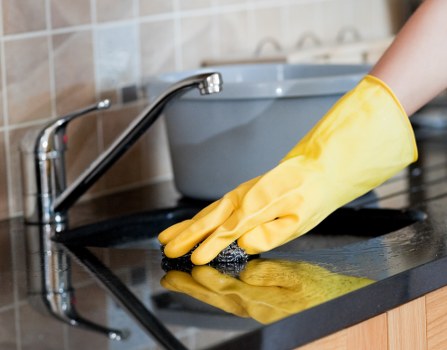
Communal area cleaning refers to the cleaning and upkeep of spaces used by multiple people. These areas are not private to one household or one office, which means they experience higher traffic and more frequent contact. Common examples include entrance halls, lobbies, staircases, corridors, landings, lifts, reception areas, shared kitchens, bin stores, and external walkways.
Because these places are touched and used throughout the day, they collect dust, dirt, debris, and germs very quickly. A proper cleaning routine must therefore address both appearance and hygiene. This can include sweeping, vacuuming, mopping, sanitising touchpoints, polishing glass, removing litter, wiping skirting boards, cleaning mail areas, and checking for signs of spillages or damage.
Effective communal area cleaning is not a one-off task. It is a scheduled service that keeps the environment consistently clean and welcoming. The best results usually come from a tailored plan that matches the building’s size, traffic levels, and unique needs.
Why Communal Area Cleaning Matters
Shared spaces are the face of a property. The moment someone walks through the front door, they notice whether the building is cared for. That is why communal area cleaning has a direct effect on reputation, tenant satisfaction, and perceived value. A well-cleaned building feels managed, secure, and pleasant to use.
There are also practical health benefits. High-touch surfaces such as door handles, buzzer panels, handrails, lift buttons, and intercom systems can carry bacteria and viruses. Regular communal area cleaning helps lower the risk of cross-contamination. In busy properties, that can be especially important during flu season, periods of increased illness, or in buildings with vulnerable residents.
Another important factor is safety. Dirt, spills, and clutter can lead to slips, trips, and falls. A consistent cleaning programme reduces those hazards. In addition, timely reporting of issues such as broken lighting, damaged flooring, or pest activity can prevent small problems from becoming major concerns. In short, communal area cleaning protects both people and property.
Key Areas That Need Regular Attention

Not every shared space requires the same level of attention, but all communal areas benefit from regular care. The most commonly cleaned areas include:
- Entrances and lobbies – these set the tone for the entire building.
- Hallways and corridors – high-traffic zones that gather dust and marks quickly.
- Staircases and landings – areas where debris often accumulates in corners and along edges.
- Lifts and lift lobbies – small enclosed spaces that need frequent sanitising.
- Door handles, rails, switches, and panels – touchpoints that require disinfection.
- Bin stores and waste collection areas – places where hygiene and odour control are critical.
- Shared kitchens, lounges, and break areas – common in offices and student accommodation.
- Exterior communal entrances and pathways – where leaves, mud, and litter may gather.
Depending on the property, communal area cleaning may also include windows, wall marks, matting, notice boards, and postboxes. For larger developments, outside cleaning tasks such as pressure washing, litter picking, and seasonal deep cleans may also be needed.
Every building is different, which is why a flexible service approach works best. Some communal areas need daily cleaning, while others may only need weekly or fortnightly visits.
How a Professional Cleaning Routine Works
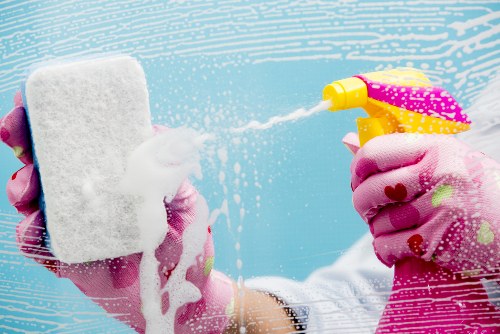
A strong communal area cleaning routine begins with a clear plan. Professional cleaners usually assess the property, identify high-traffic zones, and build a schedule that reflects the building’s real usage. That schedule may include daily dusting and sanitising, weekly deep cleaning, and periodic maintenance tasks.
Typical routine tasks often include vacuuming carpets, sweeping hard floors, mopping entrances, wiping handrails, clearing cobwebs, emptying bins, sanitising touchpoints, and cleaning glass panels. In buildings with many residents or office users, these tasks may need to be carried out more than once a day in certain areas.
Attention to detail makes a major difference. A professional cleaner does not just clean the obvious surfaces. They also check corners, skirting, edges, and hidden areas where dirt often collects. This creates a noticeably higher standard of communal area cleaning and helps maintain the building over time.
Daily, Weekly, and Periodic Tasks
It helps to separate communal area cleaning into three levels of frequency:
- Daily tasks – remove litter, clean entrances, sanitise touchpoints, and keep visible areas presentable.
- Weekly tasks – vacuum stairwells, clean glass, wipe walls, and tackle dust build-up.
- Periodic tasks – deep cleaning, floor treatment, pressure washing, and high-level dusting.
A good cleaning plan combines all three to deliver reliable results. This structure also helps building managers monitor service quality and ensure no areas are overlooked.
Benefits of Professional Communal Area Cleaning
There are many advantages to using a professional service for communal area cleaning. One of the biggest is consistency. Professional teams work to set standards, follow checklists, and complete tasks on schedule. This reduces the risk of missed areas and uneven cleaning quality.
Another key benefit is time savings. Property managers, landlords, and residents already have enough to handle without worrying about the upkeep of shared spaces. Outsourcing communal area cleaning means the work is handled efficiently by trained people with the right tools and products.
Professional cleaning can also improve building longevity. Dirt and grime can wear down flooring, stain surfaces, and damage finishes over time. Regular maintenance helps preserve carpets, tiles, paintwork, and fixtures, which can reduce repair and replacement costs in the long term. That makes communal area cleaning a practical investment, not just an aesthetic one.
Better Hygiene and Peace of Mind
Clean shared spaces support healthier living and working conditions. This is particularly valuable in multi-occupancy housing, where many people move through the same areas every day. Knowing that communal area cleaning is carried out properly gives residents and users more confidence in their environment.
Peace of mind also matters to landlords and property managers. When the building looks cared for, complaints may be reduced and satisfaction may improve. In many cases, a consistent cleaning routine helps create a better sense of community and respect for shared spaces.
Challenges in Communal Area Cleaning
Communal area cleaning can be more challenging than cleaning private spaces because usage is constant and conditions change quickly. Mud may be tracked in during rainy weather, litter may be left behind, and spills may happen without notice. In some properties, residents may also leave personal items in common areas, creating obstacles for cleaning staff.
Another challenge is balancing the needs of different users. For example, residents may want cleaning carried out at certain times to avoid disruption, while office buildings may need work completed outside peak business hours. Professional cleaners need to be adaptable and respectful of those requirements.
Access can also be an issue. Some areas may require keys, fobs, codes, or coordination with building staff. A reliable service provider understands these practicalities and works efficiently without disturbing occupants. Good communication and clear expectations are essential for smooth communal area cleaning.
Common Problems That Affect Shared Areas
- Heavy foot traffic that brings in dirt and moisture
- Fingerprints on glass, lifts, and doors
- Litter and loose debris in corners
- Odours from waste areas
- Dust accumulation on skirting, ledges, and vents
- Marks on walls and stair rails
- Spills or stains that need immediate attention
Addressing these problems promptly helps maintain a professional appearance and prevents long-term damage.
What Makes Communal Area Cleaning Effective
Effective communal area cleaning depends on more than just effort. It requires the right combination of planning, equipment, products, and quality control. A structured service should start with an inspection of the building and a custom cleaning schedule.
High-quality equipment matters too. Vacuum cleaners with strong filtration, mops suited to the floor type, microfiber cloths, safe disinfectants, and specialist tools for glass or hard-to-reach areas all improve results. Using the right products also helps protect surfaces and reduce residue.
Training is another essential part of the process. Cleaners should understand how to work safely, handle products correctly, identify hazards, and report maintenance issues. A trained team can spot problems early and help keep the building in better condition overall.
Quality Control and Supervision
Supervision and regular inspections help maintain standards. Cleaning checklists, sign-off sheets, and occasional audits can ensure that communal area cleaning is consistent from visit to visit. This is especially useful in larger buildings where many areas need attention.
When quality control is strong, minor issues are picked up early. That means less chance of build-up, fewer complaints, and a more professional result. Reliable communal area cleaning is built on routine, accountability, and clear standards.
Communal Area Cleaning in Different Property Types
Not all buildings need the same approach. The right communal area cleaning plan depends on the property type, occupancy levels, and the way people use the space.
Residential Buildings
Apartment blocks and housing developments usually require regular cleaning of hallways, stairs, entrances, and bin areas. In these settings, residents often expect a neat, calm, and hygienic environment. Keeping communal spaces clean can also reduce tension between neighbours and improve the overall living experience.
Commercial Buildings
Offices, business centres, and professional premises often need cleaning before or after working hours. Communal area cleaning in these environments may involve reception spaces, corridors, meeting area access points, and shared facilities. Presentation is important because these areas shape the impression made on staff and clients.
Student Accommodation and Care Settings
In student residences and care environments, hygiene is particularly important because of shared use and the need for additional wellbeing support. These properties may require more frequent sanitising, waste removal, and detailed attention to common rooms, bathrooms, and access routes.
Each setting benefits from a plan that suits its own pace and population. There is no one-size-fits-all approach to communal area cleaning.
Seasonal Considerations for Shared Space Cleaning
The needs of communal area cleaning change throughout the year. In winter, wet shoes, salt, mud, and debris can quickly spread through entrances and corridors. In autumn, fallen leaves and moisture can increase the amount of cleaning needed around access points. Spring may bring dust and pollen, while summer can highlight odours and increased foot traffic.
Seasonal adjustments are useful because they keep the cleaning plan aligned with actual conditions. For example, matting may need more attention in wet months, windows may need more frequent cleaning in brighter periods, and exterior areas may require litter picking or pressure washing after storms.
By adapting the service to the season, building managers can keep communal areas looking fresh all year round. That flexibility is one reason professional communal area cleaning is so effective in busy properties.
Health, Safety, and Compliance Considerations
Shared spaces should be clean, but they must also be safe to maintain. Cleaning teams need to use products and methods that minimise risk to occupants and themselves. This includes clear signage for wet floors, proper handling of chemicals, and safe movement around staircases and public areas.
Compliance is also important. Depending on the building and location, there may be rules around waste handling, hygiene standards, and environmental practices. A responsible communal area cleaning service understands those requirements and works in line with them.
Safety should never be an afterthought. Good cleaners protect residents, visitors, and the property by following best practices at all times. That includes reporting hazards, avoiding obstructions, and ensuring cleaning does not create extra risks.
Eco-Friendly Cleaning Options
Many properties now prefer environmentally responsible cleaning methods. This can include biodegradable products, reduced-water techniques, reusable microfiber cloths, and efficient equipment that lowers energy use. Eco-conscious communal area cleaning can support sustainability goals without compromising cleanliness.
For property managers, this may also help align the building with tenant expectations and modern environmental standards. Sustainable routines are becoming increasingly relevant in both residential and commercial settings.
How to Choose the Right Communal Area Cleaning Service
When selecting a provider, it is important to look beyond price alone. The best communal area cleaning service should offer reliability, clear communication, and a plan tailored to your building. Experience with similar properties is also valuable, because different settings require different methods.
Useful things to consider include:
- Whether the service offers flexible schedules
- How often quality checks are carried out
- What products and equipment are used
- Whether the team is trained for shared environments
- How maintenance issues are reported
- Whether the plan can be adjusted during busy periods
It is also worth asking how the company handles special requests, seasonal changes, and emergency cleaning needs. A responsive provider can make a significant difference to the overall condition of the building.
Questions to Ask Before Starting
- What areas are included in the communal area cleaning schedule?
- How often are high-touch surfaces sanitised?
- Can the service be adapted for peak traffic or special events?
- What happens if an issue is spotted during cleaning?
- Are environmentally friendly products available?
These questions help ensure the service meets your expectations and supports the long-term care of the property.
Creating a Cleaner Shared Environment
Communal area cleaning works best when it is supported by good habits from everyone using the space. Residents, tenants, staff, and visitors all play a role in keeping shared areas tidy. Simple actions such as disposing of litter properly, avoiding unnecessary clutter, and respecting cleaning schedules can make a big difference.
Building managers can also support better standards by displaying clear notices, encouraging cooperation, and responding quickly to recurring issues. When everyone understands the importance of clean communal areas, the whole property benefits.
Clean shared spaces are not only more attractive; they are more functional, safer, and easier to manage. That is why communal area cleaning should be treated as an essential part of property care rather than an optional extra.
Why Consistency Matters Most
Consistency is the real foundation of successful communal area cleaning. A space may look good after a single deep clean, but without regular upkeep, dirt and wear soon return. A reliable schedule helps maintain standards day after day and year after year.
That consistency supports better hygiene, better presentation, and better long-term value. If you want your property to reflect care and professionalism, regular communal area cleaning is one of the smartest steps you can take. Book your service now and keep your shared spaces in excellent condition.
For property managers, landlords, and building owners, the benefits are clear: cleaner surfaces, fewer complaints, improved safety, and a more welcoming environment for everyone who enters the building. If you are ready to improve the standard of your shared spaces, contact us today to arrange a tailored communal area cleaning plan that suits your property.