Upholstery Cleaning in Your Home: Fresh, Healthy, and Long-Lasting Furniture Care
When people think about keeping a home clean, they often focus on floors, countertops, and bathrooms. Yet one of the most used and most overlooked parts of a home is the furniture. Sofas, armchairs, dining chairs, ottomans, and headboards all collect dust, oils, spills, pet hair, and everyday grime. That is why upholstery cleaning matters more than many homeowners realize. Clean furniture not only looks better, but it also helps support a healthier indoor environment and extends the life of your furnishings.
If your sofa has started to look dull, your favorite chair smells a little stale, or your dining seats have visible spots, it may be time to think about professional upholstery cleaning. This service is designed to refresh fabric and upholstered surfaces while removing contaminants that regular vacuuming cannot fully eliminate. It can make a dramatic difference in the feel of a room and the comfort of your everyday life.
In this article, we will explore why upholstery care matters, how the process works, what types of fabrics can be cleaned, and how to maintain results between appointments. Whether you are interested in residential sofa care or want to improve the appearance of commercial seating, understanding upholstery maintenance can help you make smarter choices.
Why Upholstery Cleaning Matters for Every Home
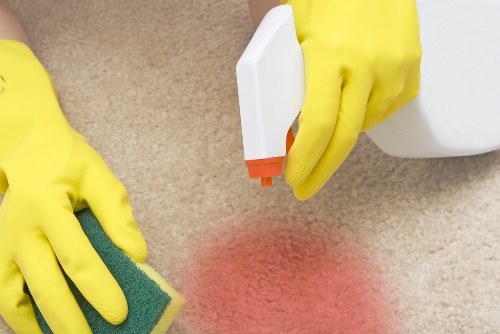
Furniture absorbs much more than people expect. Every time someone sits down, tiny particles from clothing, skin oils, dust, and environmental debris settle into the fibers. Over time, this buildup can affect the appearance, smell, and texture of upholstery. Routine upholstery cleaning helps remove this buildup before it becomes deeply embedded.
A clean sofa or chair does more than improve the look of a room. It can also reduce allergens, dust mites, and other irritants that often linger in soft surfaces. This is especially important for households with children, pets, or anyone sensitive to indoor air quality. In fact, upholstery cleaning is often one of the easiest ways to improve the freshness of an entire living space.
There is also a financial benefit. Quality furniture can be expensive, and replacing a sofa or dining set too soon is not ideal. Regular upholstery care can help protect your investment by preserving fabric integrity, preventing stains from setting, and reducing wear from accumulated dirt. That means your furniture can continue looking attractive and feeling comfortable for longer.
What Professional Upholstery Cleaning Involves
Professional upholstery cleaning is more than a quick wipe-down or surface vacuum. A trained cleaner typically begins by inspecting the furniture to identify fabric type, condition, stain concerns, and any special care requirements. This step matters because different textiles respond differently to moisture, heat, and cleaning agents.
After inspection, loose dirt and debris are usually removed with specialized vacuuming tools. Then the cleaner may apply a pre-treatment to loosen embedded soil and break down spots. Depending on the fabric and condition, the technician may use hot water extraction, low-moisture cleaning, dry cleaning methods, or steam-based techniques.
Once the cleaning process is complete, the upholstery is carefully rinsed or extracted, and the fabric is left to dry properly. A good provider will aim for a result that is clean, refreshed, and safe for everyday use. Proper drying is essential because excess moisture can contribute to odor or mildew if not managed well. That is why experienced upholstery cleaning services always consider ventilation, fabric sensitivity, and environmental conditions.
Common Upholstery Materials and Their Cleaning Needs
Fabric, Leather, Microfiber, and Blends

Not all furniture fabrics are created equal. Each material has unique characteristics, and those characteristics influence how upholstery cleaning should be performed. A method that works well on a synthetic microfiber sofa may be unsuitable for delicate silk-blend cushions or a leather recliner.
Fabric upholstery is common in living rooms and bedrooms. It can trap dust and spills easily, but it also tends to respond well to professional cleaning when treated correctly. Cotton, polyester, linen, and blended fabrics often benefit from periodic deep cleaning to restore brightness and texture.
Leather upholstery requires a different approach. Instead of heavy moisture, leather usually needs gentle cleaning, conditioning, and protection to keep it soft and prevent cracking. A professional upholstery cleaning service will normally use leather-safe solutions designed to clean without stripping natural oils.
- Microfiber: Durable, stain-resistant, and often cleaned with low-moisture methods.
- Cotton: Comfortable but may absorb spills quickly, so prompt treatment is important.
- Wool blends: Soft and resilient, but they require careful handling and fabric-specific products.
- Synthetic blends: Often versatile and easier to clean than delicate natural fibers.
- Leather: Needs cleaning plus conditioning to maintain appearance and flexibility.
Before any upholstery cleaning begins, it is wise to check the manufacturer’s tag. Common cleaning codes such as W, S, WS, or X can help determine the safest method. These codes are an important part of choosing the right treatment and avoiding damage.
Signs Your Furniture Needs Upholstery Cleaning

Sometimes the need for upholstery cleaning is obvious. A visible spill, pet accident, or large stain makes the decision easy. Other times the signs are more subtle. A couch may look slightly gray instead of bright, or a chair may have a faint odor that becomes more noticeable over time.
Another common sign is a change in texture. When upholstery becomes sticky, rough, or dull, it often means that oils and dirt have built up in the fibers. This can happen slowly and may not be immediately noticeable until the fabric no longer feels fresh.
Here are some key indicators that it may be time to schedule upholstery cleaning:
- Visible stains or discoloration
- Persistent odors from pets, food, or smoke
- Dust accumulation even after vacuuming
- Allergy symptoms that seem worse indoors
- Flattened or matted fabric appearance
- Recent spills that may have soaked deeper than the surface
If you notice any of these signs, it may be worth acting sooner rather than later. The longer dirt and spills remain in the fabric, the harder they can be to remove. Early treatment often leads to better results and helps prevent permanent staining.
The Health Benefits of Clean Upholstery

Many people choose upholstery cleaning for cosmetic reasons, but the health benefits can be just as important. Upholstered furniture can harbor dust, pollen, pet dander, and other allergens. These particles can circulate in your living area and contribute to discomfort, especially for allergy-prone individuals.
Routine upholstery cleaning helps reduce these irritants and supports a cleaner indoor environment. This can be particularly valuable in homes with frequent visitors, small children who spend time on the floor and furniture, or pets that nap on sofas and chairs. Cleaner furniture can also reduce musty odors, making your home feel fresher overall.
For some households, upholstery care even supports better sleep and relaxation. A bedroom chair, upholstered bench, or headboard that is freshly cleaned can contribute to a more comfortable and inviting atmosphere. Fresh upholstery can make a noticeable difference in how your home feels day to day.
How Often Should Upholstery Cleaning Be Done?
The ideal cleaning schedule depends on lifestyle, furniture use, and the type of upholstery in your home. In many households, professional upholstery cleaning is recommended every 12 to 24 months. However, high-use pieces such as family-room sofas or dining chairs may need more frequent attention.
Homes with pets, smokers, young children, or allergy concerns may benefit from cleaning more often. In these environments, dirt and odors build up faster, and upholstery maintenance becomes even more important. If a piece of furniture experiences heavy daily use, don’t wait for it to look visibly dirty before scheduling care.
As a simple rule, if your furniture sees regular use and you want it to last, upholstery cleaning should be treated as a routine part of home maintenance. Combining periodic professional service with basic at-home care can help keep furniture in excellent condition year-round.
DIY Upholstery Cleaning vs. Professional Service
Some homeowners like to handle small spills or routine maintenance themselves, and that can be helpful. Vacuuming upholstery regularly and blotting spills quickly are both smart habits. Light spot treatment can also work well when the fabric is durable and the stain is fresh. Still, there are limits to what DIY methods can safely accomplish.
One risk of do-it-yourself cleaning is using too much water or the wrong product. Overwetting upholstery can leave water rings, cause shrinkage, or push stains deeper into the padding. Harsh chemicals can also discolor fabric or weaken fibers. Even when the surface looks cleaner, residues may remain behind and attract more dirt later.
Professional upholstery cleaning offers several advantages:
- Correct identification of fabric type and cleaning code
- Access to commercial-grade equipment and solutions
- Better stain removal for deep-set spots and odors
- Reduced risk of damage from improper technique
- More thorough removal of embedded dirt and allergens
DIY care is useful between appointments, but professional service is often the better choice when you want deeper results, fabric safety, and longer-lasting freshness.
Popular Upholstery Cleaning Methods
Choosing the Right Technique for the Fabric
Different methods can be used depending on the item being cleaned. A reputable upholstery cleaning provider selects the process based on the fabric code, level of soiling, stain type, and drying requirements. Here are some of the most common methods used today.
Hot Water Extraction
This method uses warm water and cleaning solution to loosen dirt, followed by strong extraction to remove soil and moisture. It is often effective for durable fabrics and is one of the most widely used upholstery cleaning techniques for deep cleaning.
Dry Cleaning
Despite the name, dry cleaning usually involves specialized solvents or low-moisture products rather than water. This is often selected for sensitive textiles that cannot tolerate heavy dampness. It may be a good fit when quick drying is important.
Foam Cleaning
Foam methods use a controlled amount of moisture and cleaning agents to lift dirt from the surface and fibers. This approach can work well for certain materials where full saturation should be avoided.
Steam Cleaning
Steam can help loosen grime and freshen fabrics, but it must be used carefully. Some materials can shrink or distort if exposed to excessive heat or moisture. That is why steam-based upholstery cleaning should always be matched to the fabric type.
Spot Treatment and Deodorizing
Many services also include spot treatment for stains such as coffee, wine, grease, food, or pet accidents. Deodorizing may be added to reduce lingering smells. These finishing steps can significantly improve the final result and help upholstery feel renewed.
Stain Removal and Odor Control: What to Expect
Stains are one of the most common reasons people seek upholstery cleaning. While some marks disappear quickly, others require careful treatment. Success depends on the stain type, the age of the spot, and whether it has been previously treated with the wrong product.
Fresh stains usually have the best chance of full removal. The longer a spill sits, the more likely it is to bond with fibers or penetrate into the cushion. Professionals typically evaluate the stain before applying a solution, because aggressive treatment can sometimes worsen the problem if used incorrectly.
Odor control follows similar principles. Rather than masking smells, effective upholstery cleaning aims to remove the source. This may involve cleaning the fabric, treating the backing, and ensuring that moisture is fully extracted. Pet odors, smoke smells, and food-related odors often improve significantly when the source has been thoroughly addressed.
Benefits of Regular Upholstery Maintenance
Cleaning furniture on a consistent schedule offers both immediate and long-term advantages. The most obvious benefit is improved appearance, but the deeper value is in preservation and comfort. Regular upholstery cleaning can help stop grime from becoming permanent and keep colors looking vibrant.
Other benefits include:
- Improved indoor freshness
- Reduced allergen buildup
- Longer fabric life
- Less visible wear and fading
- Better comfort for family and guests
- Cleaner overall room presentation
For businesses, the benefits are equally important. Waiting rooms, office chairs, restaurant booths, and lobby seating all influence how clients and customers perceive a space. Clean furniture sends a message of care, professionalism, and attention to detail.
How to Maintain Upholstery Between Professional Cleanings
Once furniture has been professionally cleaned, a few simple habits can help preserve the results. These steps do not replace deep cleaning, but they can keep upholstery looking better for longer and reduce the buildup of dirt between appointments.
Helpful maintenance habits include:
- Vacuum upholstery regularly using an appropriate attachment
- Blot spills immediately instead of rubbing
- Rotate cushions to distribute wear evenly
- Avoid eating messy foods directly on fabric seating
- Keep pets groomed to reduce shedding and dander
- Use fabric protectors only when suitable for the material
It is also smart to keep furniture away from strong direct sunlight when possible. UV exposure can fade fabrics over time and make them appear older than they really are. Simple placement adjustments and window treatments can help preserve the appearance of upholstered items.
Why Upholstery Cleaning Is Worth the Investment
Some homeowners hesitate because they see upholstery cleaning as an extra expense. But when you compare the service cost to the price of replacing furniture, the value becomes clear. Clean upholstery can help extend the usable life of sofas, loveseats, chairs, and other upholstered pieces, delaying expensive replacements.
There is also the emotional value of enjoying a cleaner, more comfortable home. A well-maintained sofa becomes a place you actually want to relax on. A dining chair set looks better for guests. A fresh headboard or bench can elevate the feel of a bedroom. In many cases, professional upholstery cleaning can make furniture look years newer without the need to buy anything at all.
When approached as routine care rather than a last-minute fix, upholstery cleaning becomes a smart part of home maintenance. It protects appearance, supports hygiene, and enhances comfort. That combination makes it one of the most practical services for households and property owners alike.
Choosing a Quality Upholstery Cleaning Service
Not every provider uses the same methods or offers the same level of care. When selecting a service, look for experience, fabric knowledge, and attention to detail. A reliable team should explain the process, discuss cleaning codes, and set realistic expectations about stain removal and drying time.
You may want to ask questions such as:
- What cleaning method do you recommend for my fabric?
- How do you handle delicate or antique upholstery?
- Do you treat stains and odors separately?
- How long will the drying process take?
- Will the cleaning method be safe for pets and children?
A service that answers clearly and confidently is more likely to deliver the quality results you want. The best upholstery cleaning experience combines technical skill, professional equipment, and a careful approach tailored to your furniture.
Final Thoughts on Upholstery Care
Upholstery is one of the most used surfaces in any home, yet it is often the most overlooked when it comes to cleaning. Regular upholstery cleaning can transform the look and feel of your furniture while supporting a healthier indoor environment. From removing allergens and stains to preserving fabric quality, the benefits are hard to ignore.
Whether you are caring for a favorite sofa, maintaining dining chairs, or refreshing a commercial seating area, the right cleaning approach can make a meaningful difference. If your furniture has lost its brightness, holds unwanted odors, or simply needs a refresh, now is the right time to take action.
Contact us today to learn more about upholstery cleaning options that suit your furniture and lifestyle. Book your service now and enjoy cleaner, fresher, more inviting upholstered surfaces throughout your home or business.